Why Modern Roof Lanterns Are a Must-Have for Contemporary Homes
Modern roof lanterns have become essential features in contemporary homes. They work to improve daylight, making welcoming areas that blend indoor and outdoor environments. Beyond aesthetics, these structures provide energy conservation that can lead to cost savings. As homeowners seek creative methods to elevate their living spaces, the role of roof lanterns becomes increasingly significant. What are the specific benefits and designs that make them a compelling choice for today's residences?
Why Natural Light Is Important in Your Home
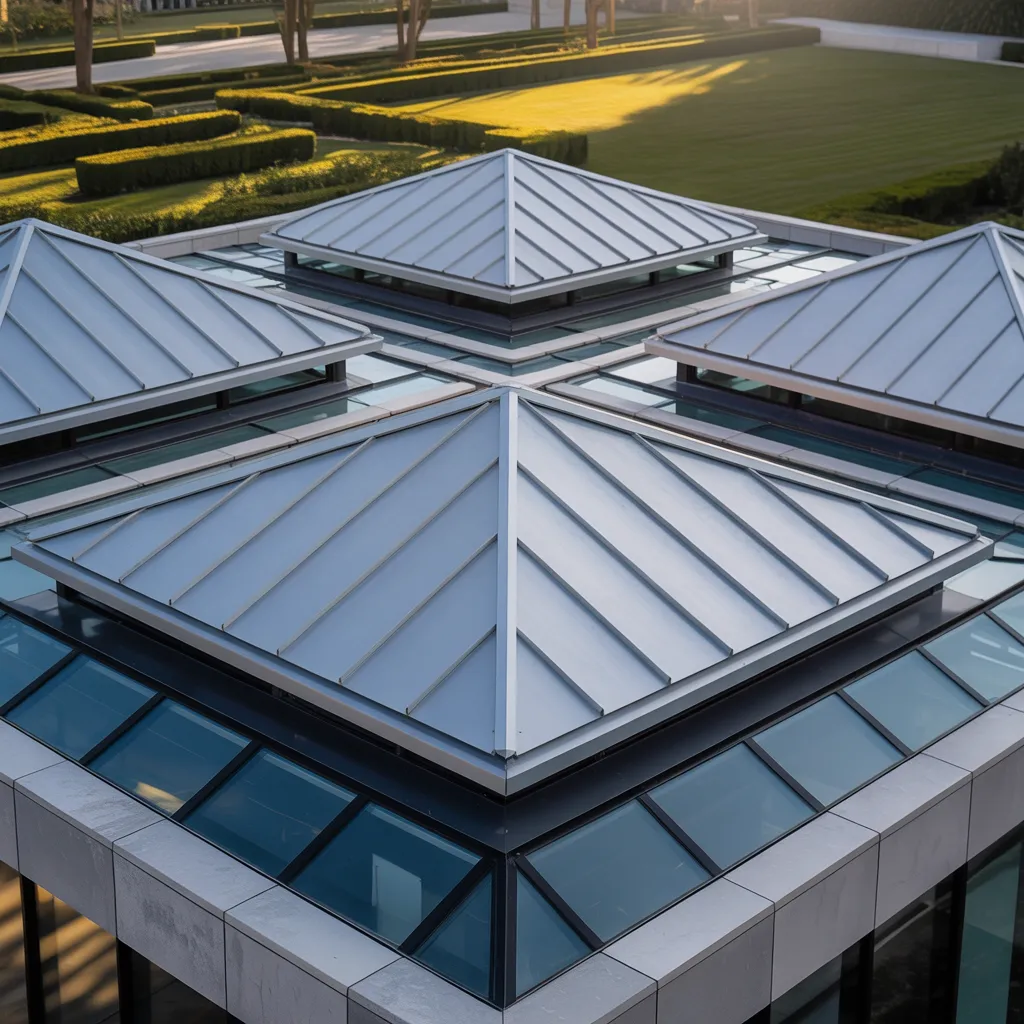
While many homeowners look for ways to enhance their living spaces, the advantages of natural light often remain underappreciated. Sunlight has a profound impact on the atmosphere and functionality of a home. It not only brightens spaces but also establishes an welcoming atmosphere, fostering a sense of wellness. Contact to sunlight is known to boost mood and energy levels, making rooms feel more lively and alive.
Additionally, natural light can decrease reliance on artificial lighting, leading to possible energy savings. It helps to showcase architectural features and decor, improving the overall aesthetic appeal of a home. Moreover, natural light can contribute to better indoor air quality, as it promotes ventilation when windows are opened. By embracing natural light, homeowners can create balanced spaces that promote comfort and health, ultimately transforming the way they experience their living environments.
How Roof Lanterns Strengthen Space and Aesthetic Value
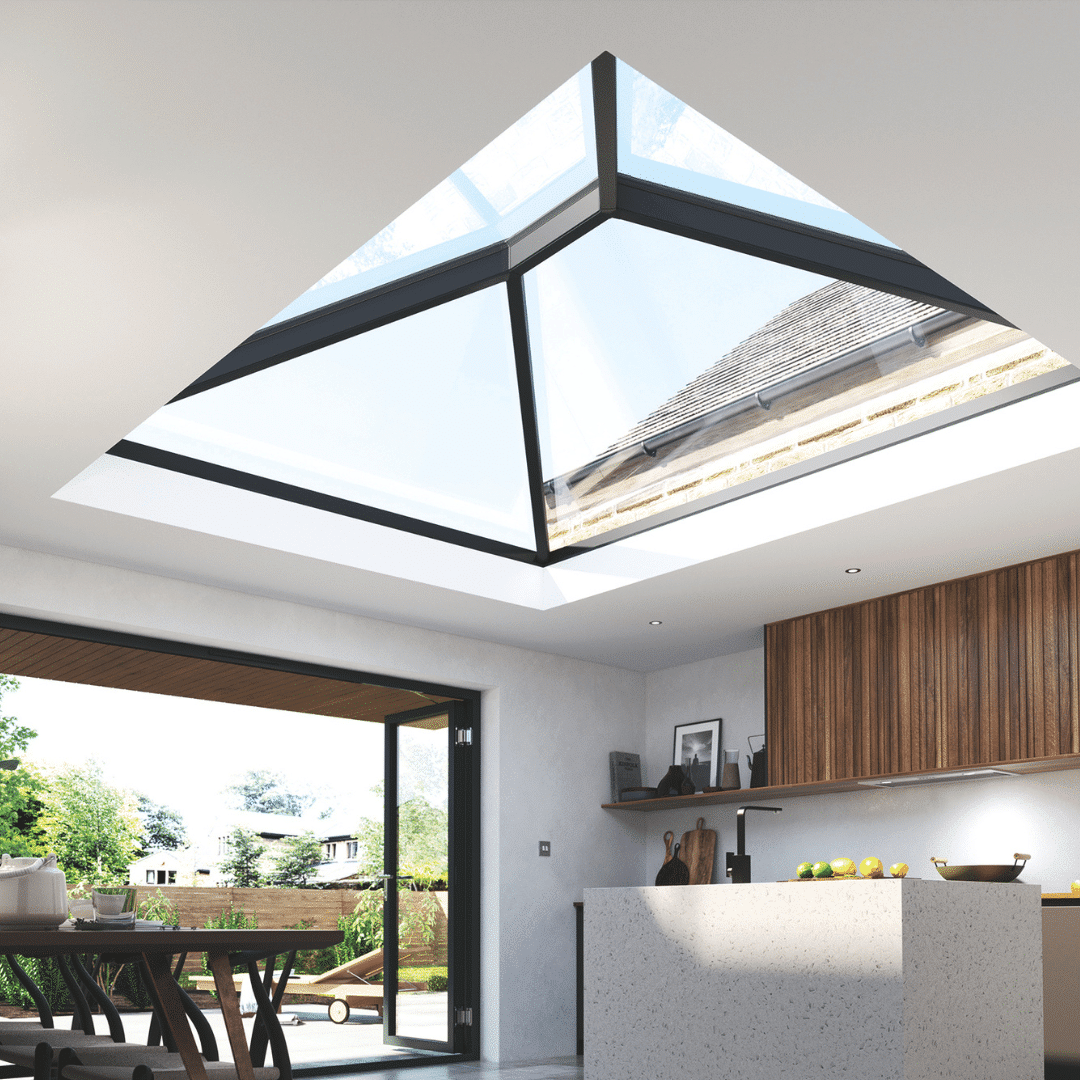
Roof lanterns substantially boost space and design quality in current homes. By enabling plentiful natural light to penetrate deep into living areas, these structural elements create an impression of openness and spaciousness. This introduction of light not only enhances interiors but also highlights design elements, making rooms seem more appealing and open.
In addition, roof lanterns stand as stunning visual anchors, delivering a measure of finesse and charm to contemporary building designs. Their elegant profiles and assorted aesthetic choices, extending from restrained styles to intricate, can integrate beautifully with a spectrum of room aesthetics. The interplay between light and dark achieved through roof lanterns profoundly enhances the visual dimension, accentuating colors and textures in the space.
Besides their visual impact, roof lanterns can gracefully combine indoor and outdoor areas, establishing a sense of unity. This balanced blend of aesthetics and function makes roof lanterns an integral part in the design of contemporary homes.
Roof Lanterns: Reducing Energy and Money
By maximizing natural light, roof lanterns greatly reduce the requirement for artificial lighting, resulting in substantial energy savings. This abundance of natural light not just illuminates interiors but also diminishes reliance on electricity, especially during daytime hours. As a result, property owners can enjoy reduced energy costs while contributing to learn now a more sustainable environment.
Moreover, roof lanterns can improve energy performance. Many contemporary styles feature double or triple glazing, which maintains heat during colder months and minimize heat gain in the summer. This temperature control can reduce the demand for heating and cooling systems, further lowering energy costs.
In addition, the aesthetic quality of roof lanterns can improve a property's market value, making them a sound investment. Overall, the mix of decreased energy consumption and long-term financial benefits shows why roof lanterns are a key component for modern homes.
The Finest Roof Lantern Styles to Enhance Your Home
Selecting the appropriate style of roof lantern can markedly improve both the aesthetic and utility features of a contemporary home. A variety of styles address diverse architectural tastes. For example, classic pyramid-shaped lanterns bring a classic elegance, whereas flat or pitched designs fit minimalist aesthetics. Skillion lanterns, known for their angled roofs, provide a modern twist, allowing for effective light diffusion.
Additionally, the selection of materials is crucial. Aluminum frames are preferred for their durability and sleek appearance, whereas wooden frames can add warmth and personality. Flexible features, such as size and glazing, allow homeowners to tailor lanterns to their specific needs.
Furthermore, geometric designs, featuring octagonal or hexagonal shapes, can deliver a striking focal point, amplifying both natural light and visual interest. Ultimately, choosing the right roof lantern style not only elevates the home's design but also maximizes its functional benefits.
How to Install Roof Lanterns?
Roof lantern installation necessitates a clear grasp of essential tools and a step-by-step process. Thorough preparation guarantees a successful installation, boosting both aesthetics and functionality. This section outlines the necessary apparatus and detailed directions for achieving ideal results.
Vital Instruments Needed
To correctly install roof lanterns, a selection of essential tools is essential. First, a measuring tape provides accurate measurements of the lantern and roof opening. A spirit level is critical to verify the lantern sits evenly. A power drill, along with appropriate drill bits, is necessary for making holes for screws and fittings. Additionally, a saw, typically a circular saw, might be needed to cut the roof structure if modifications are required. Safety gear, including gloves and goggles, is additionally important to protect the installer. Finally, a silicone sealant gun is vital for applying waterproof sealant around the edges, guaranteeing a secure and weatherproof installation. Each tool plays a significant role in achieving a professional finish.
Methodical Installation Procedure
Initiate the installation of roof lanterns by preparing the workspace and ensuring all tools are available. First, take away the existing roof material carefully to prevent damage to the surrounding area. Next, assemble a support frame, ensuring it is level and securely attached to the roof structure. After the frame is secured, install a waterproof membrane to prevent leaks. Carefully place the roof lantern onto the frame, making sure it's correctly aligned. Secure the lantern using screws or brackets as specified by the manufacturer. Following installation, check for any gaps and fill them with appropriate weatherproofing materials. Finally, restore the surrounding roofing material, ensuring a seamless finish. Clean the installed lantern for ideal light transmission and enjoy the transformation.
Maintenance Recommendations for Enduring Roof Lanterns
Caring for roof lanterns properly is essential for sustaining durability and preserving operation. A regular cleaning schedule, paired with periodic inspections of seals and joints, helps prevent deterioration. Additionally, using gentle cleaning solutions remains vital to avoid damaging the materials.
An established cleaning regimen
How often should homeowners maintain their roof lanterns to ensure ideal clarity and longevity? Regular cleaning is essential to maintain the aesthetic and functional aspects of roof lanterns. Experts recommend a twice-yearly cleaning schedule, ideally in spring and autumn. This guarantees that any dirt, debris, or accumulated stains are thoroughly eliminated before they become more challenging to handle. Homeowners should use a soft cloth and a gentle cleaner to avoid damaging the glass surface. It's also beneficial to check for any evidence of mold or mildew during cleaning, as these can impact both appearance and performance. By adhering to this cleaning routine, homeowners can enhance the lifespan of their roof lanterns and enjoy continuous natural illumination in their contemporary spaces.
Inspect Seals and Joints
Regular inspections of seals and joints are vital for the durability of roof lanterns. Over time, these key components can wear down due to environmental factors, leading to likely leaks and structural damage. Homeowners should carry out checks at least twice a year, paying attention to any signs of deterioration, such as cracks or gaps. Promptly addressing these issues can prevent water ingress and preserve the stability of the lantern. Additionally, applying appropriate sealants can improve their performance and lifespan. This proactive strategy not only secures the roof lantern but also helps the overall energy efficiency of the home. Ensuring that seals and joints are in peak condition is a key aspect of roof lantern maintenance.
Avoid Harsh Chemicals
Proper care of roof lanterns extends beyond inspecting seals and joints; it also involves mindful cleaning practices. To ensure longevity, it is essential to avoid harsh chemicals that can damage the materials of the lantern. Powerful detergents and abrasive cleaners may cause scratches or degrade the surface over time. Instead, a gentle solution of warm water and mild soap is recommended, allowing for efficient cleaning without risking harm. Soft cloths or sponges should be used to avoid scratching the glass or frame. Routine maintenance with suitable cleaning methods will help preserve the aesthetic and functional qualities of roof lanterns, ensuring they remain a beautiful feature of contemporary homes for years to come.
Roof Lantern Conversions: Genuine Examples
A roof lantern can considerably boost both style and performance in today's properties. One striking illustration is a London-based family that swapped a traditional skylight with a elegant, contemporary roof lantern in their kitchen. This addition not only flooded the space with natural light but also formed a notable visual statement that functions as a conversation starter.
Another case involved a minimalist home in Sydney that integrated a large roof lantern above an open-plan living area, smoothly combining indoor and outdoor environments. This design choice not only increased energy efficiency but also delivered stunning views of the night sky.
Furthermore, a restored Victorian house in Manchester displayed a geometric roof lantern that stood out elegantly with the original architecture, emphasizing the harmony between old and new. These actual case studies illustrate how roof lanterns can redefine spaces, making them more inviting and visually appealing while maximizing natural light.
Frequently Asked Questions
Are Roof Lanterns Suitable for All Types of Roofs?
Roof lanterns can be perfect for different roof types, such as flat, pitched, and vaulted roofs. However, proper installation and design considerations are essential to assure functionality and aesthetic appeal across diverse architectural styles.
Do roof lanterns have the ability to be installed in current dwellings?
Roof lanterns can absolutely be fitted in existing homes, provided that structural stability and design elements are managed. Professional assessment ensures compatibility with the current roof structure, boosting natural light and visual charm without compromising well-being.
What Materials Are Roof Lanterns Typically Made From?
Roof lanterns are typically made from materials like aluminum, glass, and polycarbonate. Aluminum offers durability and strength, while glass enables daylight, and polycarbonate offers lightweight and impact-resistant options, providing functional versatility.
Are Roof Lanterns Governed by Planning Permission?
Roof lanterns usually do not require planning permission if they comply with specific guidelines, such as size and location. However, regulations can differ across area, so contacting local authorities is recommended for clarity.
How well do roof lanterns handle adverse weather events?
Roof lanterns are designed to withstand extreme weather, incorporating durable materials and robust construction. Proper setup and care enhance their performance, ensuring they resist heavy winds, rain, and snow while maintaining structural integrity and aesthetics.